
Long-Term Consequences of Rib Fractures
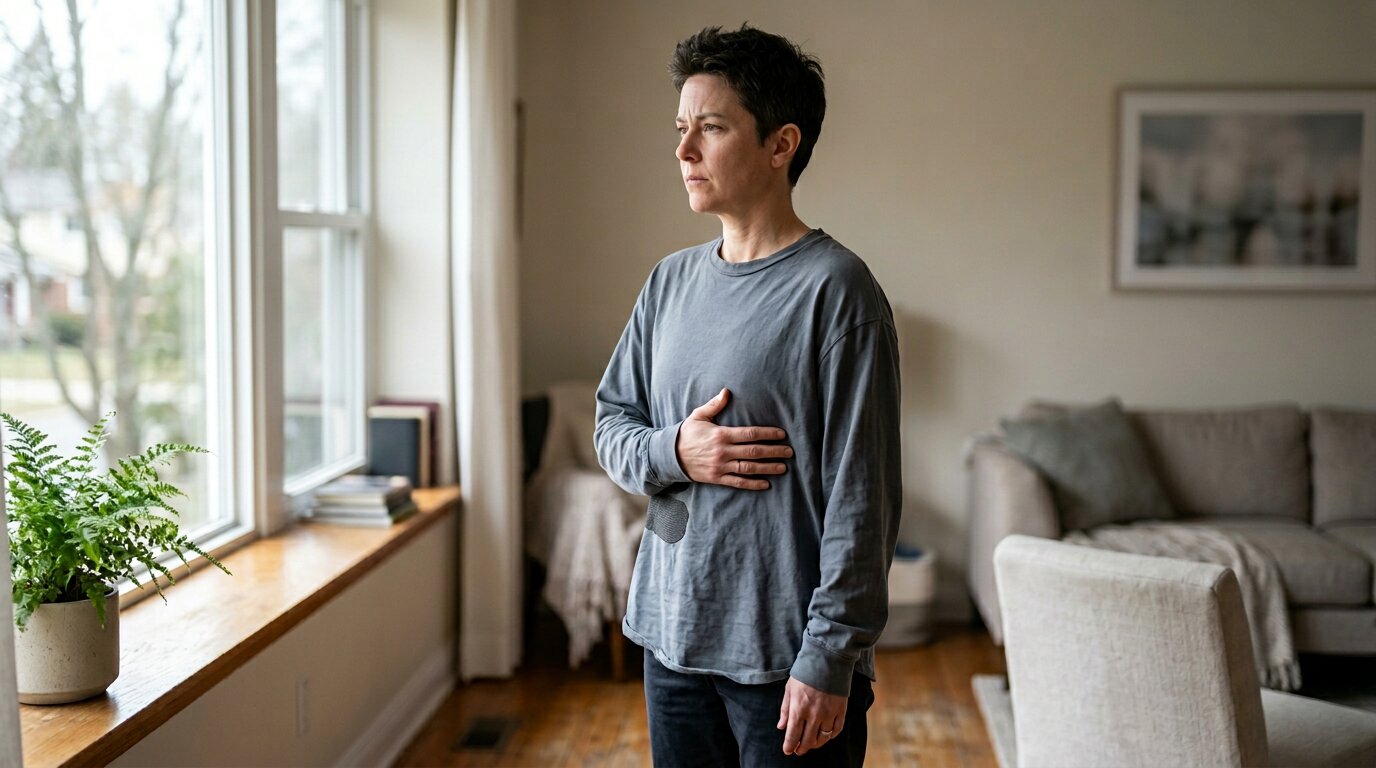
When you break a rib, you expect the pain to fade once the bone heals, but that’s often not the end of the story. You might still feel sharp twinges with a deep breath, stiffness when you twist, or aching when you lift something overhead, months or even years later. These lingering problems can change how you move, breathe, and exercise, and they can signal something important about your recovery that you shouldn’t ignore…
How Rib Fractures Heal and Long-Term Problems
Rib fractures tend to follow a predictable recovery pattern. Pain is usually most intense during the first one to two weeks, then gradually eases as the bone begins to knit together and the surrounding tissues settle. Most uncomplicated cases regain functional strength within six to eight weeks, though the body continues to refine and reinforce the fracture site over the following months.
Early care focuses on more than just comfort. Proper pain management allows for steady, deep breathing, which is essential to prevent complications such as pneumonia or atelectasis. Early care focuses on more than just comfort. Proper pain management allows for steady, deep breathing, which is essential to prevent complications such as pneumonia or atelectasis. Working with providers experienced in broken ribs treatment is crucial for precise, well-coordinated care, as they can balance pain management with respiratory support while adapting care to local healthcare resources and individual patient needs.
Even with the right approach, not every fracture heals cleanly. Injuries involving the middle ribs, or those with noticeable displacement, can sometimes fail to fully unite, leading to nonunion. Over time, this can result in lingering discomfort, restricted chest movement, and reduced physical capacity, making careful follow-up and informed care decisions just as important as the initial treatment.
Long-Term Rib Pain and Chest Wall Stiffness
Although many rib fractures heal without major complications, long-term rib pain and chest wall stiffness are relatively common and can affect daily activities. People may continue to notice aching, sharp discomfort, or a sense of tightness with movements such as twisting, lifting, or reaching overhead.
Research indicates that up to about 60% of patients report some degree of chest pain more than 10 years after the initial injury, and roughly 40% still experience pain at one year.
Stiffness and protective (guarded) movement patterns can continue, particularly if physical activity is reduced for an extended period during recovery.
The overall recovery process typically takes 1 to 6 months, but can be longer in some cases.
Nonunion, where the fracture doesn't fully heal, occurs in an estimated 12% of rib fractures, especially in ribs 7–10, and is associated with more persistent pain and reduced mobility.
Breathing and Lung Problems After Rib Fractures
Breathing problems are a major concern with rib fractures because both pain and structural damage can interfere with normal lung function. Many people instinctively take shallow breaths to limit pain, but this reduces lung expansion and the clearance of secretions, increasing the risk of pneumonia. For this reason, clinicians often emphasize deep-breathing exercises and incentive spirometry to help maintain adequate ventilation.
If a rib fracture damages the pleura (the lining around the lung), air can enter the pleural space and cause a pneumothorax. This may present with sudden chest pain and shortness of breath and can require interventions such as insertion of a chest tube to re-expand the lung.
Blunt trauma can also cause lung contusions (bruising of lung tissue), which further impair gas exchange and oxygenation.
The risk of these complications is higher when multiple ribs are fractured, particularly in older adults or individuals with underlying lung disease. Imaging studies, such as chest X‑rays or CT scans, are frequently used to identify and monitor complications like pneumothorax, hemothorax, or lung contusions.
In the longer term, a proportion of patients, approximately one in five in some studies, report ongoing shortness of breath with exertion, reflecting the combined impact of chest wall injury, pain, and any residual lung damage.
Rib Nonunion, Deformity, and Nerve Damage
Even when a rib fracture appears to heal within the expected time frame, the bone and surrounding soft tissues may not fully return to their pre‑injury state. This can contribute to long‑term complications.
In some studies, approximately 12% of ribs managed without surgery developed nonunion (failure to heal) by six months.
Ribs 7 through 10 seem to be at higher risk, with reported nonunion rates around 20–23% in this group.
Fractures that are clearly displaced or dislocated have an even greater likelihood of progressing to nonunion.
A rib that fails to unite can lead to persistent chest wall deformity, chronic low‑grade inflammation, and limited or painful chest motion.
In addition, injury or irritation of the intercostal nerves near the fracture site may cause ongoing neuropathic pain that is burning, shooting, or hypersensitive.
This type of pain may persist for months or years, even when imaging suggests that the fracture itself has healed.
Who Is at Higher Risk for Long-Term Rib Complications?
People recover from rib fractures at different rates, and some face long-term problems. Age is a key factor. Among adults aged 60 and older, physical quality of life after rib fractures often declines, and this decline tends to be more pronounced with increasing age.
Frailty and pre-existing medical conditions also contribute to prolonged symptoms. In some studies, about 40% of patients still report pain one year after injury, and nearly 30% haven't fully regained their previous work capacity.
Certain injury patterns increase the likelihood of long-term complications. These include having three or more fractured ribs, fractures that are displaced (where the bone ends no longer line up normally), flail chest (when a segment of the rib cage moves independently), and injuries involving ribs 7–10.
In addition, smoking, chronic lung diseases (such as COPD), osteoporosis, and diabetes are associated with slower healing and a higher risk of ongoing pain, breathing problems, or functional limitations.
Treating Long-Term Rib Fracture Effects and When to Get Help
Because some people experience persistent pain, breathing difficulties, or reduced function long after their ribs have technically healed, ongoing symptoms that last for several months shouldn't automatically be considered “normal.”
Most uncomplicated rib fractures heal in about 6–8 weeks, but many individuals report some discomfort or functional limitations beyond that period.
In these cases, further assessment and targeted treatment may be appropriate.
Management can include adequate pain control, breathing and mobility exercises, and, in some situations, regional techniques such as nerve blocks if pain is limiting deep breathing or normal activity.
You should seek medical review if pain or shortness of breath is worsening, if you develop frequent chest infections, or if you're unable to carry out your usual work or daily activities.
These features may indicate complications such as nonunion of the fracture, pneumothorax, or other issues that require medical evaluation.
Conclusion
Even after your ribs heal, it’s normal if you still feel pain, stiffness, or breathing changes. These long-term effects can limit how you move, work, and exercise, but you’re not stuck with them. With the right mix of pain control, breathing exercises, physical therapy, and, in select cases, surgery, you can usually improve. Pay attention to persistent or worsening symptoms, and don’t hesitate to see a doctor if something doesn’t feel right.